
Finding Montgomery County Residents
Begin with a dated fact, not a broad name search. The Assessor’s property card is a good starting point for a street address or parcel. A known case belongs with the court that holds it. A past household is better checked against library directories, newspapers, probate, and the Archives. The Tennessee voter tool is for confirming one registration record after the required identity fields are supplied. This residents directory approach keeps each Montgomery County result in its proper lane.
Record the spelling used, the record date, and the identifier returned. For land, that is often a parcel ID or deed book and page. For a court result, retain the case number and party role. A result can establish a connection at a stated time. It does not, by itself, establish who currently occupies an address.
- For an address, check the Assessor card and save the parcel ID, situs, owner-of-record, and transfer details.
- Use the parcel or owner name in the Register of Deeds index, then preserve the instrument type and recording reference.
- For a named person, use Tennessee Voter Lookup only to confirm an individual registration match.
- For an older name or address, ask CMCPL or the Archives for directories, newspapers, probate, and record groups.
- When an open record is not online, request the existing item from its custodian under the Tennessee Public Records Act.
Note: A source ledger with dates and identifiers is safer than turning several unrelated results into a claim about a present household.
Montgomery County Record Keepers
Montgomery County divides its records by function. The Register of Deeds holds recorded land documents. The Assessor maintains assessment cards and parcel data. The Election Commission handles registration questions. Archives preserves the deep county record trail, while the Clerk & Master handles probate and chancery material. For a street-by-street parcel workflow, use the Montgomery County street directory reference.
Register of Deeds
350 Pageant Lane, Suite 101-A
Clarksville, TN 37040
931-648-5713
Montgomery County Assessor
350 Pageant Lane, Suite 101-C
Clarksville, TN 37040
931-648-5709
Election Commission
350 Pageant Lane, Suite 404
Clarksville, TN 37040
931-648-5707
Archives is also at the Pageant Lane complex, in Suite 101-D. It preserves deed books from 1788 to 1997, probate records from 1796 to 1990, and other county series. The public reading room requires annual registration and photo identification. Closed stacks and pull times make it wise to call before a research visit.
Montgomery County Property Records
The Assessor’s Spatialest property search is one of the fastest Montgomery County residents directory starting points when an address is known. County documentation describes roughly 91,900 CAMA cards. A card can show the owner name, owner mailing address, situs address, parcel ID, subdivision and lot, acreage, improvements, classification, values, and sales or transfer history.
The mailing address and situs address are separate fields for a reason. A tax notice may go somewhere other than the physical parcel. Assessment values and transfer history are useful clues, but neither is a title opinion or proof that a named person lives there.
See the Montgomery County Assessor property search before using a parcel as the join key.
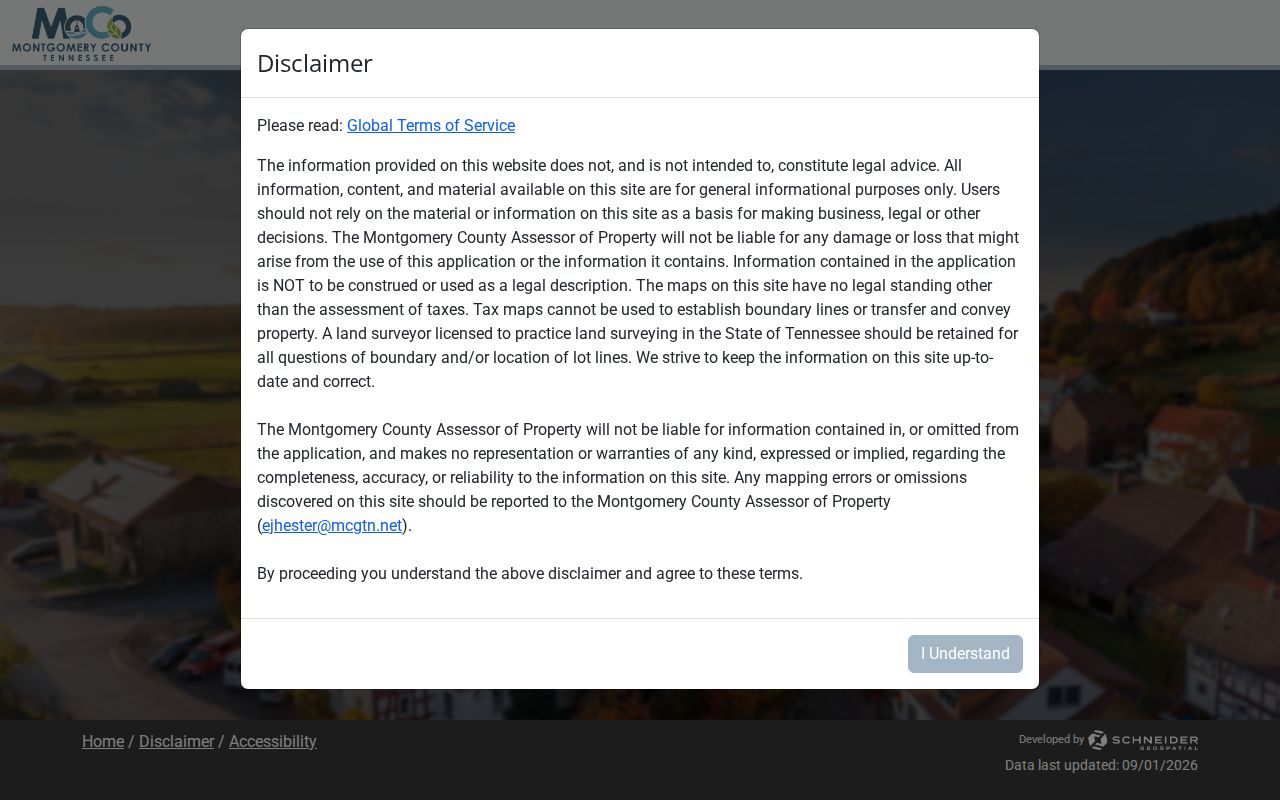
The property-search screen leads to assessment evidence, then a parcel ID can connect the map and recorded-document trail.
| Property-card field | How to read it |
|---|---|
| Owner name | Owner-of-record clue, not an occupancy finding |
| Street address | Situs route for the physical parcel |
| Parcel ID | Stable link between assessment and GIS records |
| Mailing address | Tax-notice destination, separate from situs |
| Subdivision, lot, acreage | Useful when a street form changed or is incomplete |
| Transfer history | Dated assessment and sales context |
Montgomery County Voter Records
Tennessee Voter Lookup is a limited, individual confirmation path, not a Montgomery County residents directory of a block. The state form requires County, First Name, Last Name, Birth Month, and Birth Year. A surprising no-match can result from the name form, county, timing, or status. The appropriate fallback is the Montgomery County Election Commission, not an assumption about a person’s address.
Protected identifiers and confidential-program information are not part of the ordinary lookup. Voter-list requests are separately regulated under T.C.A. § 2-2-138 and require a political-purpose certification. County precinct and district maps help with election geography, but they do not turn a street into a public roster.
Montgomery County Deed Records
The Register of Deeds indexes deeds by grantor and grantee name. When the starting point is an address, get the taxpayer or parcel from the Assessor first, then follow transfer names and book or page references. The county directs online researchers to US Title Search, which it says is updated about every 15 minutes. Image access follows a subscription or payment route.
Public computers at the Register provide another route, and the office accepts counter and mail requests. Mail requests should include the volume and page, or enough details to identify the instrument, plus a self-addressed stamped envelope. The office charges 15 cents per page, $1 per certified page, and $1 per plat page or certified plat. Staff do not perform title searches or promise that every lien or encumbrance has been found.
Visit the Register-linked US Title Search index to identify the online route.
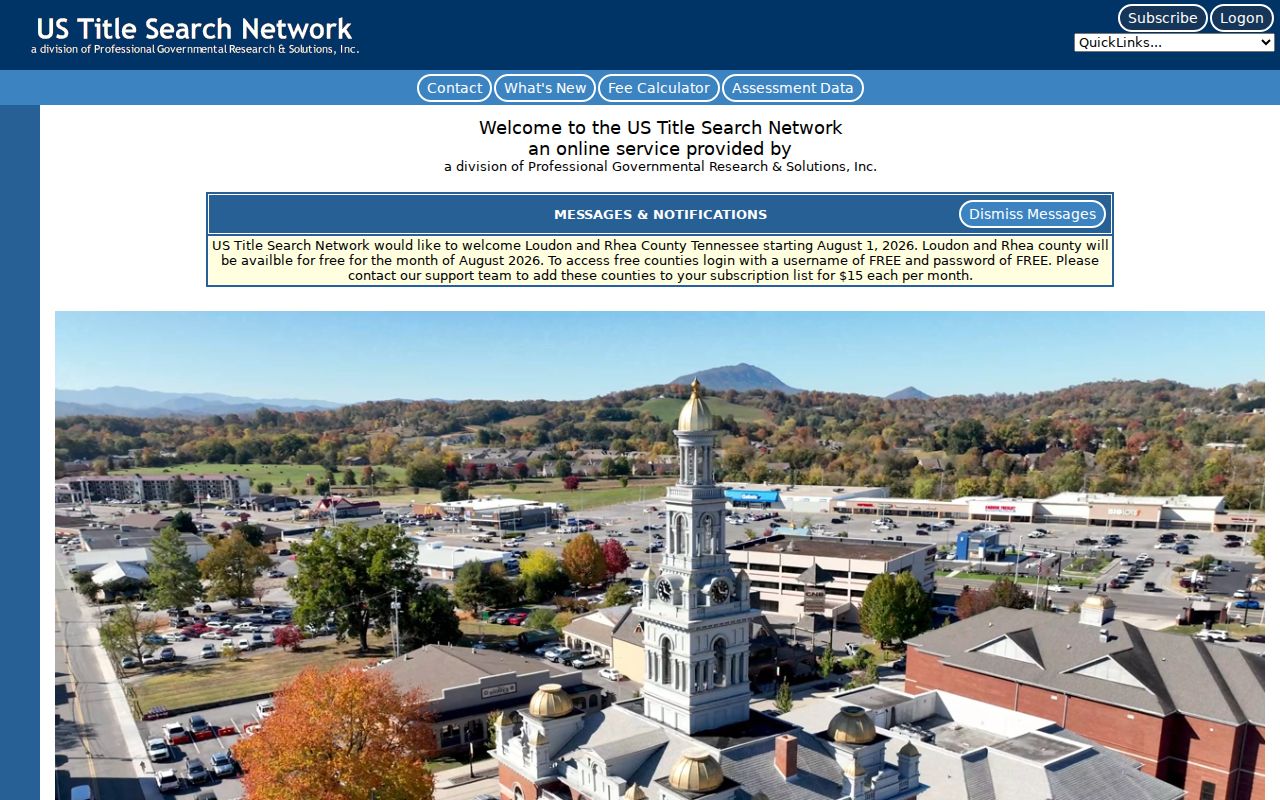
Use an index hit as a document lead, then retain the parties, instrument type, recording date, and book or page reference.
Note: A Register index is name-centered, so initial, married-name, trust, estate, and spelling variants may matter in a deed chain.
Current Montgomery County Resident Sources
A useful current residents directory is assembled from several record types, each with a narrow meaning. Parcel cards identify assessment relationships. The voter tool confirms a chosen registration record. Deed indexes list document parties. Court systems document cases in their own jurisdiction. The following coverage view helps keep those results separate.
| Montgomery County source | What it can establish | Custodian | Access route |
|---|---|---|---|
| Property Record Card | Parcel, owner-of-record, mailing and situs fields | Assessor | Spatialest, terminal, office |
| Voter Lookup | Selected registration confirmation | State and Election Commission | Required identity fields; office fallback |
| Recorded land index | Grantor, grantee, instrument, recording reference | Register of Deeds | Subscription route, public computer, counter, mail |
| Circuit Court records | Case party, filing, status, and disposition where open | Circuit Court | Online portal, clerk, copy request |
| Historic directories and papers | Dated name and address context | CMCPL and Archives | Genealogy Room, reading room, databases |
None of these sources lists every present household. A property card can identify an owner or taxpayer, a court file can name a party, and an old directory can capture a dated address. Read each record at the level it was created.
Montgomery County Court Records
For a documented legal event, start with Montgomery County Circuit Court online records. The published online coverage is civil matters from May 1, 2006 to the present and criminal and traffic matters from November 1, 1999 to the present. The county describes the service as free, though full viewing uses the court’s login instructions. Older or offline files belong with the clerk.
Local trial records, Chancery files, Clarksville Municipal Court, and statewide appellate history are different systems. A court party search can confirm a case within a jurisdiction and date range. It does not establish a current county address.
Open the Montgomery County Circuit Court search for the local trial-court route.
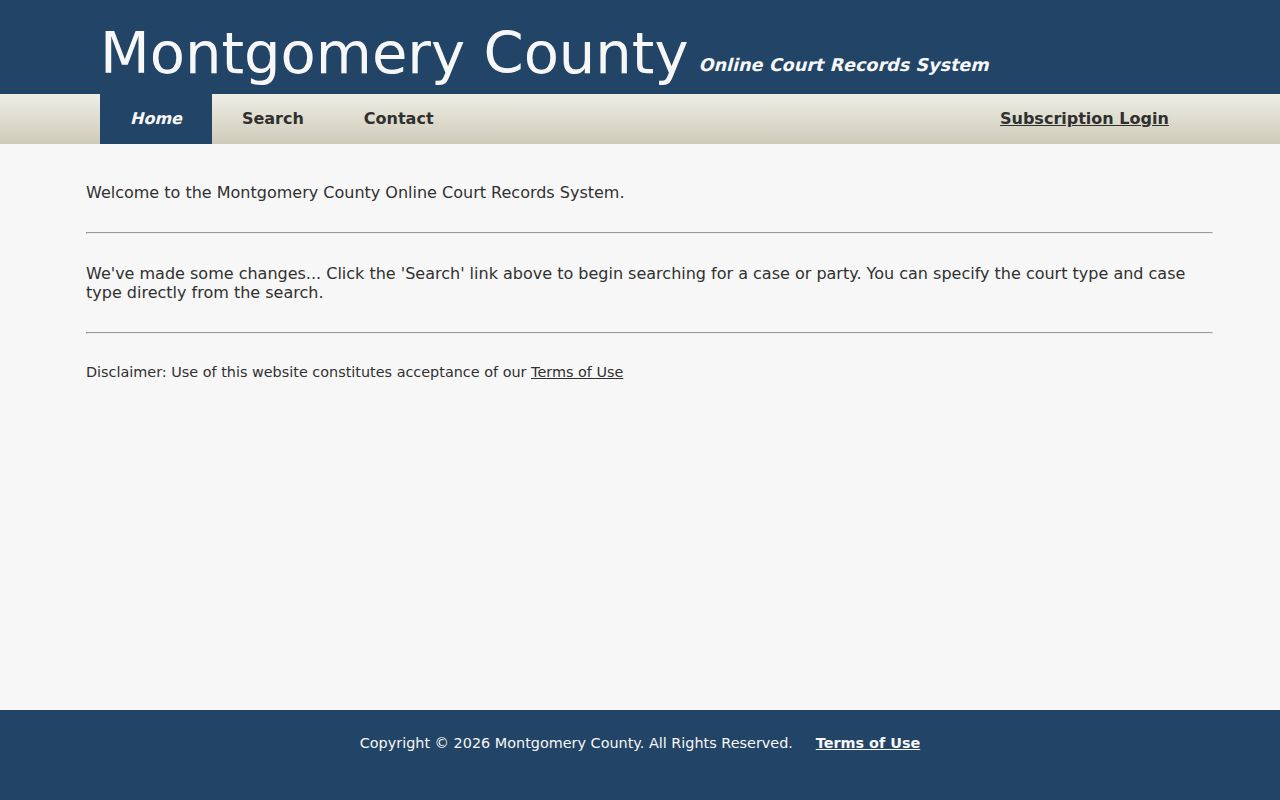
A case number, caption, filing date, party role, and status make a stronger research note than a bare name match.
Montgomery County Archives Fallbacks
When a current portal reaches its edge, the Montgomery County Archives collections and the Brown Harvey Sr. Genealogy Room give the residents directory a historical route. Archives holds Deed Books from 1788 through 1997, probate from 1796 through 1990, marriage records from 1838 through 2006, court minutes, and case papers. CMCPL maintains microfilm, historical newspapers, death certificates, databases, and genealogy resources.
The Montgomery County Historical Society, founded in 1924, publishes the Cornsheller and refers research questions to the Archives and library rather than presenting itself as a public name index. Its referrals can be valuable when family papers, community history, or local context are needed.
Explore the Montgomery County Historical Society for local-history referrals.

Historical Society material works best as a lead that is checked against an Archives volume, library item, or dated record.
Montgomery County Vital Record Rules
Birth, death, marriage, and divorce records have their own Tennessee access rules. The Department of Health Vital Records issues certified copies subject to eligibility and identification requirements. Under T.C.A. §§ 68-3-205 and 68-3-206, birth records become public after 100 years and death, marriage, divorce, and annulment records after 50 years, subject to safekeeping rules.
For an older family question, the county clerk, Archives, State Library and Archives, library microfilm, and genealogy repositories can be better starting points than a certified-copy application. Marriage applications and supporting documents have separate treatment, including confidential personal or medical portions that remain closed.
Check the state’s Vital Records application index for the appropriate form.
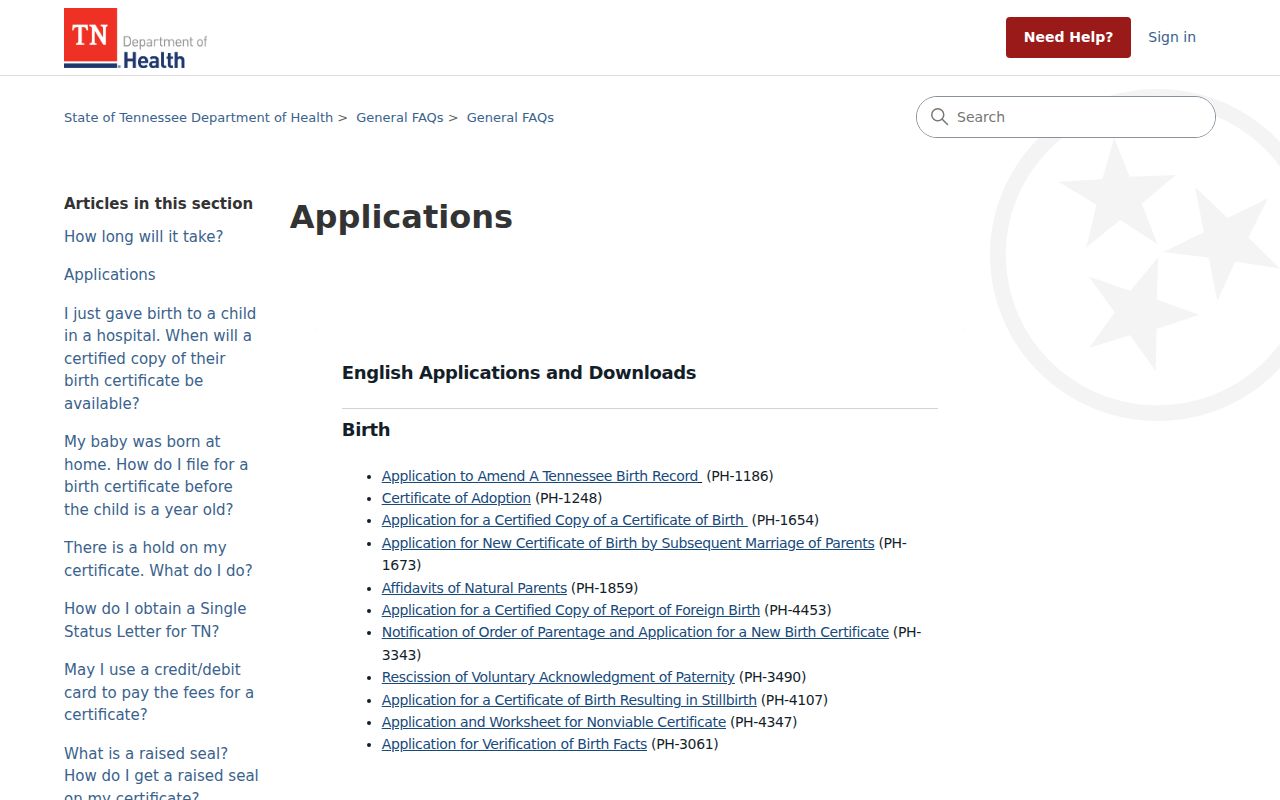
The form index helps identify the official application route, while the eligible requester and record age determine what can be released.
Montgomery County Fire Record Gaps
Older Montgomery County court research has a local preservation limit. Courthouse fires in 1878 and 1900 destroyed Circuit Court records. A missing pre-fire case is not proof that a person, dispute, or filing never existed. Try surviving Chancery material, probate, deed books, county minutes, newspapers, private abstracts, and Archives record groups instead.
The county’s shift from handwritten books to linked parcel maps also matters. GIS conversion began in 1998 after maps were maintained on paper and plastic. A modern map can locate a tract quickly, but an older book or map may explain the name, boundary, or transfer behind it.
Montgomery County Records Requests
The Tennessee Public Records Act, T.C.A. § 10-7-501 et seq., gives Tennessee citizens a route to inspect or request copies of open government records. A request should identify an existing record, date range, subject, and the office likely to hold it. Under § 10-7-503, a custodian that cannot respond promptly must provide, deny with a legal reason, estimate a production time, or explain why more detail is needed within seven business days.
Inspection is generally free. Standard state copy guidance is 15 cents for a black-and-white page and 50 cents for a color page, with labor after one hour and actual costs for unusual media. The custodian, not a general inbox, is the right contact. Ask for the statutory basis when a field is withheld or a request is denied.
Note: A focused request for an existing address-related case or dated document is more likely to reach the correct Montgomery County custodian.
Montgomery County Address Protections
Tennessee Safe at Home protects eligible participants through a substitute address and confidential absentee voting process. The program does not erase records or replace an actual address for property listing, appraisal, assessment, tax collection, or real-property recording. That difference matters when comparing a voter result to a parcel or deed record.
The right fix for a protected or incorrect field is to contact the record custodian and, where appropriate, the Tennessee Safe at Home program. An ordinary correction request and a statutory confidentiality program are not the same process.
Montgomery County Scam Checks
Official routes matter when money is requested. A 2024 local report described deed-copy mailers that used a courthouse-sounding name and asked property owners to pay for a copy available through county channels. In February 2026, local authorities also warned of spoofed calls demanding money over alleged warrants or jury duty. Verify a request through the agency’s official phone number and web address.
The Sheriff offers a documented records-request route for county material. Use the Montgomery County Sheriff public-records request page instead of responding to an unverified contact.
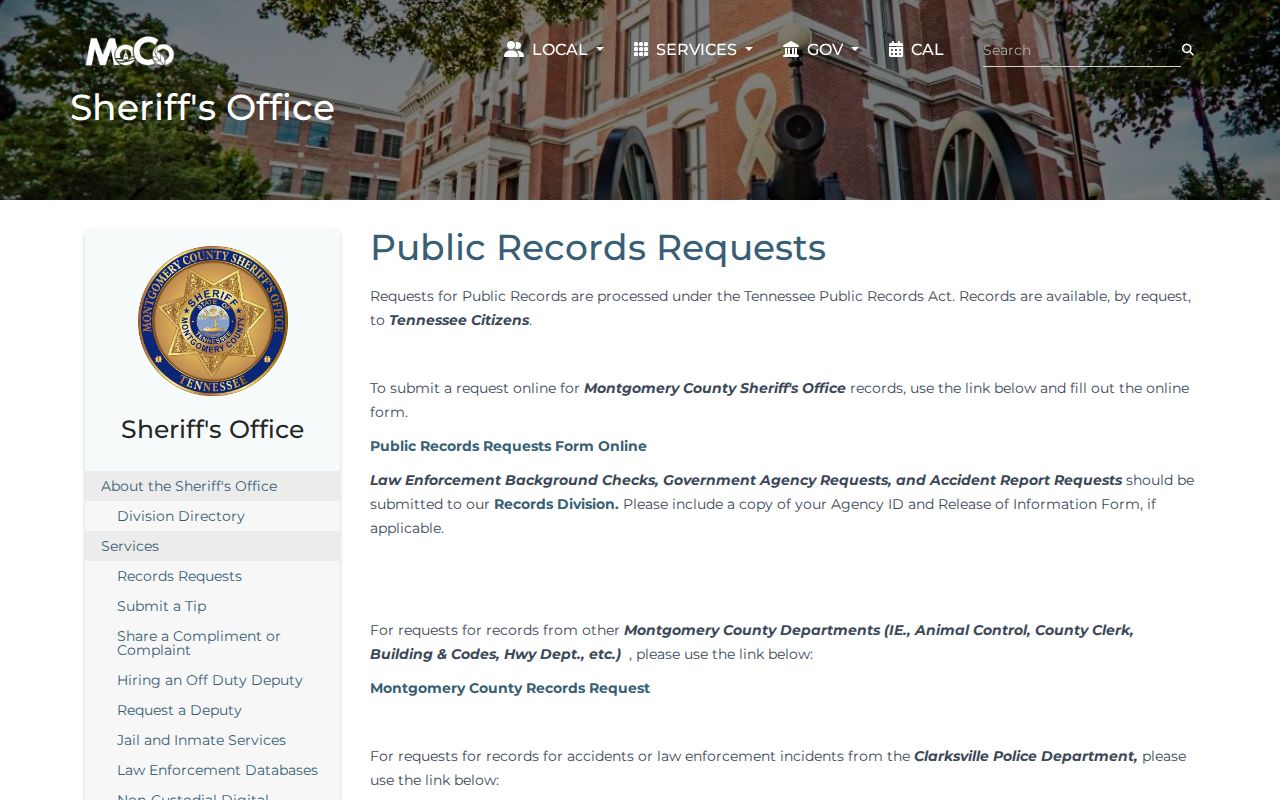
The official request path explains the county channel and helps separate a real records inquiry from an unexpected demand for payment or data.
Historical Montgomery County Directories
Historical directories are a separate residents directory layer. FamilySearch describes United States city and business directories from about 1749 to 1990, and Ancestry identifies a Clarksville Directory 1895 collection. CMCPL holds local directories, newspapers, microfilm, and databases, but its public material does not establish a complete title-by-title reverse-directory run. Ask the librarian for the exact local title, publisher, year, and shelf or reel.
A dated directory may list a name, address, household relationship, or other publisher-specific information. It is evidence for that edition, not a present-day claim. The fuller collection route is described in the Montgomery County city directories reference.
Montgomery County Research Terms
Record labels are easier to compare when they are used precisely. A residents directory can point toward a record, but it should never erase the difference between an address, a parcel, and an indexed document.
- Parcel
- A mapped unit of land with an identifier used by the Assessor and GIS.
- Situs address
- The physical property location, which may differ from the tax mailing address.
- Index
- A finding tool that points to a record, such as a name, date, document, book, or page reference.
- Criss-cross directory
- An address-first historical directory format that can lead toward a household or business entry for a stated year.
Start with the narrowest source, preserve what it actually says, and let the named custodian answer questions about a missing, protected, or certified record.